How Are Mental Health Disorders Diagnosed
How Are Mental Health Disorders Diagnosed?
Mental health can feel confusing. Many people feel sad, worried, stressed, or “not like themselves,” and they can’t understand why.
If you feel this way, it’s completely okay. A lot of people experience the same thing.
This article explains in very simple words how mental health disorders are diagnosed.
Why Diagnosis Matters
A diagnosis tells you what mental health problem you may have.
This helps you:
Understand your feelings
Stop guessing
Get the right treatment
Feel more in control
Get support at school, work, or home
Many people use words like “stressed,” “tired,” “down,” or “anxious.”
Diagnosis helps find the real reason behind these feelings.
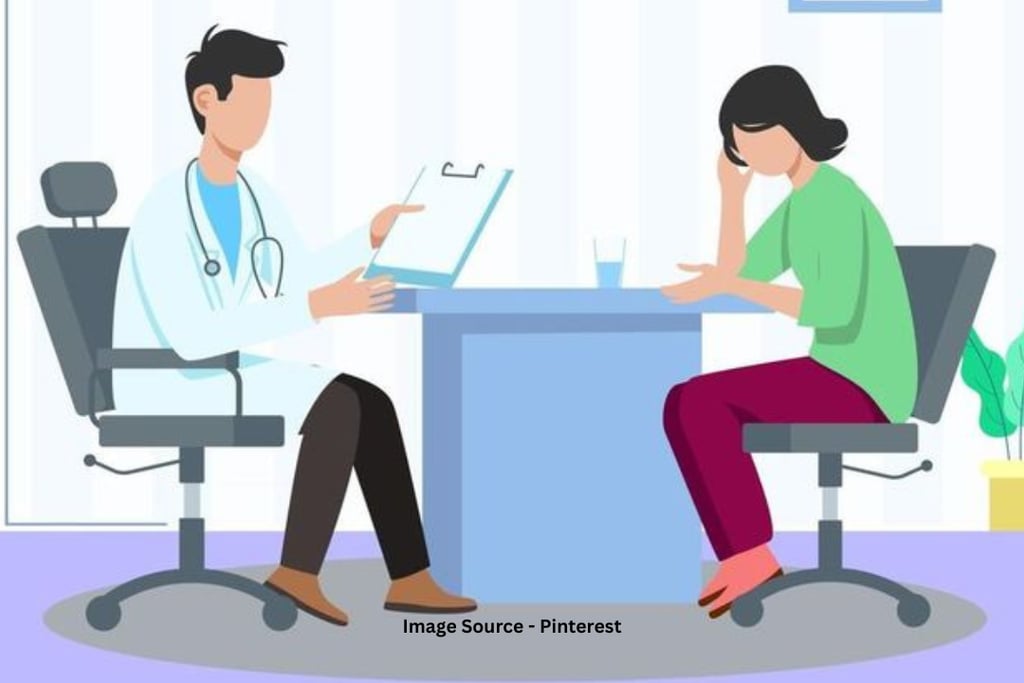
Step 1: A Simple Talk With a Professional
Diagnosis starts with a conversation.
You talk with a:
Therapist
Counselor
Psychologist
Psychiatrist
The talk is calm and friendly. The professional may ask:
“How have you been feeling?”
“When did this start?”
“Are you sleeping well?”
“Do you feel stressed lately?”
“Do you feel scared or worried often?”
This helps them understand your emotions and daily life.
Step 2: Checking Your Symptoms
Symptoms are signs that something is bothering your mind.
Professionals look for signs like:
Feeling sad most days
Feeling worried often
Losing interest in things
Sleep problems
Feeling tired all day
Trouble focusing
Mood swings
Feeling scared for no clear reason
Feeling confused
Not wanting to meet people
These symptoms help the professional understand what disorder you may have.
Step 3: Simple Tests or Questions
You may be given small forms or questions to answer.
These are not exams. They are simple and help the professional understand your feelings better.
Questions may include:
“Do you feel sad most days?”
“Do you worry a lot?”
“Do you feel tired even after sleeping?”
“Do you find it hard to focus?”
“Do you get angry easily?”
Your answers show the level of your sadness, stress, or worry.
Step 4: Physical Health Check
Sometimes a physical health problem can look like a mental health problem.
A doctor may check your body to make sure your symptoms are not caused by:
Low vitamins
Thyroid issues
Hormonal changes
Lack of sleep
Weakness
Any other medical problem
If a body issue is the cause, fixing it may improve your mental health too.
Step 5: Talking About Your Life
Mental health is connected to your life and experiences.
So the professional may ask about:
Family
Friends
School
Work
Sleep
Stress
Big life changes
Sad memories
Money worries
Relationships
This helps them understand why your symptoms may have started.
For example:
Students feel stress during exams
Workers feel pressure during deadlines
Parents feel tired while handling children and home
Teenagers feel stressed from school, studies, or friendships
Life situations play a big role in your mental health.
Step 6: Observing Your Behavior
The professional may observe how you act during the session.
They may look at:
How you talk
Your mood
Your body language
Eye contact
Energy level
If you look tired or scared
If you seem confused
If you smile less
If you move too much or too little
These small details help them understand your emotional state.
Step 7: Matching Symptoms With a Known Disorder
After collecting all information, the professional compares your symptoms with known mental health disorders.
Each disorder has certain signs. For example:
Depression may include:
Feeling sad for many days
Low energy
Loss of interest
Feeling hopeless
Anxiety may include:
Worry every day
Feeling tense
Fast heartbeat
Restlessness
ADHD may include:
Trouble focusing
Being very active
Acting without thinking
Bipolar disorder may include:
Sudden mood changes
High energy sometimes
Low mood other times
Matching symptoms helps make a correct diagnosis.
Step 8: Getting the Diagnosis
Once everything is checked, the professional tells you the diagnosis.
This may feel scary at first, but most people feel relieved because:
They finally know what is wrong
They understand their feelings
They know the next step
They no longer feel confused
A diagnosis is not a label.
It is a helpful guide to improve your mental health.
Step 9: Making a Treatment Plan
After the diagnosis, a treatment plan is made for you.
This can include:
Therapy
Medicine
Better sleep habits
Exercise
Mindfulness
Stress control
Lifestyle changes
Talking with loved ones
Support groups
Many people feel much better after starting treatment.
It may take time, but healing is possible.
Final Thoughts
A mental health diagnosis is not something to fear.
It is a simple process that helps you understand what is happening inside your mind.
Millions of people go through this process, and it helps them:
Feel calmer
Feel understood
Feel supported
Feel more hopeful
Remember:
Asking for help and getting a diagnosis is a strong step toward a better and happier life.