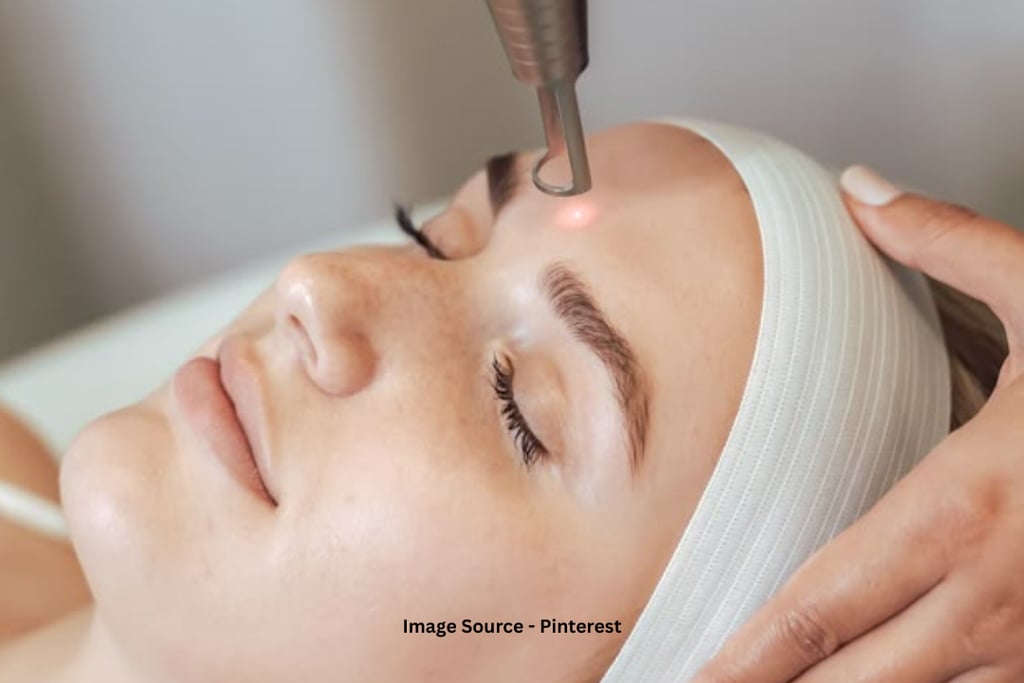
Do Laser Facial Work
Blog post description.
12/5/20254 min read
Do Laser Facials Work
Do laser facials hurt?
Most people say that laser facials feel uncomfortable but manageable; they don’t describe it as torture. Clinics typically put on numbing cream, sometimes use cooling air, and may provide mild pain relief for stronger lasers.
• During treatment: You might feel tiny rubber band snaps, heat, or a strong sting like sunburn, depending on the type and strength of the laser.
• After treatment: You can expect redness, swelling, and a sunburn-like sensation for a few hours to several days, along with peeling as your skin heals.
Stronger lasers, like deep CO₂, can be more painful and have longer recovery times. In contrast, lighter "lunchtime" lasers are usually easier to handle but result in softer, slower changes.
What are laser facials and do they work?
Laser facials, often called laser skin resurfacing or laser rejuvenation, use focused light to gently damage specific layers of the skin. This prompts your body to enter repair mode and produce new collagen. It can help reduce fine lines, sun damage, pigmentation, acne scars, and improve overall texture.
Treatments like Fraxel, CO₂ lasers, and erbium lasers are available at dermatology clinics and med spas in metropolitian cities. According to dermatology sites like Cleveland Clinic, laser resurfacing can significantly improve wrinkles, scars, and uneven skin tone when performed by a trained professional. You typically need more than one session and good sunscreen habits afterward to maintain those results.
HydraFacial machines (quick note)
HydraFacial is not the same as lasers or RF. It’s a machine that cleans, exfoliates lightly, uses vacuum suction, and infuses serums all at once. Many med spas provide “HydraFacial MD” as a treatment to enhance your appearance before events. It focuses more on deep cleaning, hydration, and brightness rather than intense tightening or resurfacing. Most people find it comfortable and relaxing.
Radiofrequency skin tightening and before/after
Radiofrequency (RF) skin tightening uses energy waves to heat the deeper layers of your skin, which encourages collagen and elastin production over time. This treatment is used on the face, jawline, neck, and sometimes the body, including the stomach, thighs, and arms.
• RF results usually appear gradually. Some people notice a slight tightening right away, but the more significant changes often show up after 4 to 12 weeks as collagen rebuilds.
• Studies on multisource RF reveal that skin tightening and volume reduction can last at least 12 months for many patients.
Many clinics share before-and-after photos that show smoother jawlines, tighter cheeks, and improved fine lines after several sessions. Just remember that photos online are often for marketing
Radiofrequency skin tightening and before/after
Radiofrequency (RF) skin tightening uses energy waves to heat the deeper layers of your skin, which encourages collagen and elastin production over time. This treatment is used on the face, jawline, neck, and sometimes the body, including the stomach, thighs, and arms.
• RF results usually appear gradually. Some people notice a slight tightening right away, but the more significant changes often show up after 4 to 12 weeks as collagen rebuilds.
• Studies on multisource RF reveal that skin tightening and volume reduction can last at least 12 months for many patients.
Many clinics share before-and-after photos that show smoother jawlines, tighter cheeks, and improved fine lines after several sessions. Just remember that photos online are often for marketing purposes.
Always look for real clinic or medical sources instead of relying on filtered social media.
RF skin tightening at home
At-home RF skin tightening devices have become popular around the world, People want to create a “spa vibe at home” without paying clinic prices. These devices use less energy than professional machines but can still improve mild laxity and texture if you use them consistently.
• Clinical research on a home-based RF device showed better skin texture and elasticity with a safe, well-tolerated treatment routine.
• Trusted brands include safety features like temperature sensors and automatic shut-off when not in full contact with the skin.
Typical use is once or a few times a week for several weeks, followed by maintenance. Overusing the device can lead to redness, burns, or irritation, so it’s important to follow the manual.
RF skin tightening machines (clinic vs home)
When people mention "radiofrequency skin tightening machine," they might be talking about:
• Clinic devices (Thermage, Morpheus8 with RF, etc.)
◦ These have higher power and are used by dermatologists or trained providers.
◦ You need fewer sessions, but they are more intense, leading to stronger results at a higher cost.
◦ Potential risks include burns, pigment changes, and scarring if not used properly, so it's important to find an experienced provider.
• At-home devices
◦ These are lower power and made for regular use with minimal downtime.
◦ Results are usually more subtle and need consistent use.
◦ Still, check for FDA clearance or registration in the U.S. and buy from reputable brands.
Bipolar radiofrequency skin tightening
"Bipolar" RF means the energy travels between two closely spaced electrodes. This keeps it more superficial and focused on the upper to mid layers of the skin. Monopolar RF can reach deeper layers, while bipolar is often preferred for the face where control and safety are important.
Bipolar RF devices heat collagen-rich layers while keeping the surface comfortable. That’s why many modern clinic and home devices use bipolar or multi-polar RF for more even and controlled heating. This design helps lower the risk of burns when used correctly and with built-in temperature sensors.
Real-talk tips before you book or buy
• Always see a qualified professional, such as a board-certified dermatologist or plastic surgeon, before getting strong laser or RF treatments. This is especially important for deeper skin tones, which have a higher risk of pigment issues.
• Ask to see actual, unfiltered before-and-after photos from that specific clinic, not just marketing materials.
• Do a patch test and take your time with at-home RF devices. Follow the instructions for how often you can safely use them.
• Sun protection is essential after laser or RF treatments. Skipping SPF can undo your results and lead to more side effects.
If you share your age, main skin goals (like acne scars, wrinkles, sagging, or pigmentation), and budget, I can give you a more personalized recommendation on whether a clinic laser facial, RF tightening, HydraFacial, or a home RF device is best for you.